Can Botox and chemical peels live in the same treatment plan without compromising results or safety? Yes, with smart timing, appropriate peel selection, and disciplined skin prep, they work exceptionally well together to smooth movement lines and refine texture.
Why pairing Botox and peels can be powerful
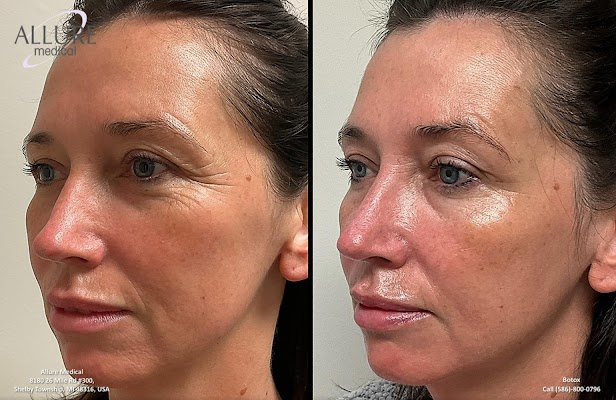
Botox softens dynamic wrinkles that come from muscle movement, while chemical peels resurface the outer layers of skin to improve dullness, fine lines, pigment, and roughness. When these treatments are sequenced correctly, the peel polishes the canvas and the Botox prevents new etching from repetitive motion. I often see that clients who pair both enjoy a more rested expression and a tighter, brighter surface within six to eight weeks, as long as we respect the biology involved.
Botox needs time to bind Shelby Township MI botox injections at the neuromuscular junction. Peels, depending on depth, temporarily inflame and exfoliate skin. Combine them without forethought and you risk increasing diffusion of the toxin where you do not want it, or you may aggravate irritation and downtime. The right interval is what keeps brows lifted, eyes open, and skin calm.
The safe intervals you actually need
The timing depends on two variables: when you get Botox, and the peel depth.
- Light peels, such as superficial glycolic 20 to 40 percent, lactic 30 to 50 percent, or very light salicylic, typically disrupt only the stratum corneum and upper epidermis. These can be scheduled closer to neuromodulator injections. Medium-depth peels, like 35 percent TCA, Jessner’s plus TCA, or high-strength blended solutions, reach deeper into the epidermis, sometimes down to the papillary dermis. They require longer spacing and stricter prep. Deep peels, such as phenol-croton oil, are their own project and do not belong in the same short treatment window as Botox at all.
For most cosmetic plans, we are working with superficial or medium depth. Use these guidelines.
Botox before a chemical peel:
I recommend waiting at least 7 days after Botox before a superficial peel on the same facial area. Ten to 14 days is even better for clients prone to brow heaviness after Botox or with a history of ptosis after Botox. For a medium peel, wait a full 2 to 3 weeks after injections. This buffer allows the toxin to bind and stabilize, reducing the chance of diffusion from vigorous cleansing, massage, or peel-induced vasodilation.
Chemical peel before Botox:
With a superficial peel, you can usually schedule Botox 3 to 7 days later once visible flaking has subsided and skin barrier is intact. If you had a medium-depth peel, wait 14 to 21 days for the epidermis to re-epithelialize and for lingering inflammation to calm. Injecting into inflamed or peeling skin is uncomfortable and raises the risk of post-procedure irritation and uneven diffusion.
Neck and body areas follow the same logic. If you are planning a Nefertiti lift Botox for a neck lift or trapezius slimming, give at least 10 to 14 days before a neck or chest peel to avoid unnecessary toxin spread and to reduce dermatitis risk.
A quick note on sequence if you need both this month: it is usually cleaner to do the superficial peel first, allow the surface to settle for 3 to 7 days, then deliver Botox. For medium peels or when there is a time crunch before an event, Botox first and a very light peel after 7 to 10 days tends to be safer.
Skin preparation that prevents problems
Good skin prep reduces complications and improves peel uniformity. I ask clients to follow a two-week prep for medium peels and a 5 to 7 day prep for light peels, with slight modifications if Botox is in the same window.
Cleansing and barrier:
Use a gentle, non-foaming cleanser twice daily and a bland moisturizer with ceramides or squalane. Avoid oil-stripping routines. A resilient barrier tolerates acids better and heals faster.
Actives:
Hold retinoids for 3 to 5 days before a superficial peel, and Browse this site for 7 to 10 days before a medium peel. If you are on a prescriptive retinoid, coordinate with your provider. Pause alpha and beta hydroxy acids, scrubs, and at-home peels for at least 5 days. Do not restart retinoids until flaking is done and tenderness is gone, typically 3 to 7 days after a light peel and 10 to 14 days after a medium peel. If you are also timing Botox, stop retinoids 48 hours before injections to minimize sensitivity, and resume according to the peel plan.
Sun behavior:
Wear SPF 30 to 50 daily, reapply every 2 to 3 hours outdoors, and avoid tanning. Even one afternoon of unprotected sun can trigger post-inflammatory hyperpigmentation after a peel. Sunscreen discipline matters more than any serum.
Medication and health review:
Discuss isotretinoin, recent microneedling, laser, or waxing. If you have a history of cold sores, start prophylactic antivirals 24 to 48 hours before medium peels around the mouth and continue for several days after. A flare is far more common on peeled skin.
On the day of Botox:
Arrive with clean, makeup-free skin. Skip pre-injection numbing creams that contain vasodilators unless your injector provides them. Post-injection, avoid pressure, facials, vigorous workouts, or head-down yoga for the first 4 to 6 hours, and do not schedule a peel the same day.
Choosing the right peel type when Botox is in the plan
The peel should match your skin type, pigment risk, and timing.
Glycolic peels are efficient for fine lines and brightness, but they can sting and cause more transient erythema. If you are new to peels and also new to Botox, lactic acid provides a gentler entry with hydration benefits. Salicylic acid shines for acne-prone and oily skin, especially if you are planning Botox for forehead lines where sebaceous activity can be high.
For melanin-rich skin or anyone with a history of hyperpigmentation, consider blended peels with lower individual acid percentages and built-in tyrosinase inhibitors. Pre-treat with azelaic acid 15 to 20 percent or low-dose hydroquinone if appropriate, and work with a provider who understands PIH risk.
Medium-depth TCA can be transformative for etched lines around the mouth and cheeks, but it demands respect. Do not place medium TCA within two weeks of fresh Botox around the perioral region, especially if you are also considering gummy smile correction or downturned mouth Botox. Peeling movement plus early diffusion risk is a poor mix for smile symmetry.
Deep phenol or croton oil peels are not compatible with active neuromodulator scheduling. Space Botox at least a month away, and confirm your peel provider’s protocols.
Avoiding brow heaviness and eyelid droop when pairing treatments
Droopy eyelids after Botox, called ptosis, often result from diffusion into the levator palpebrae muscle or over-relaxation of the frontalis. Pairing a peel too soon after injections can raise temperature and blood flow in the area, slightly increasing diffusion risk, especially with massage or rubbing during cleansing. Give the toxin a full week in place before even a light peel on the upper face, and two weeks if you have a history of brow heaviness after Botox.
Technique matters. If you are susceptible to heaviness, your injector should favor higher, conservative frontalis placement and use light dose Botox across the lower forehead. Microdroplet technique Botox with an ultrafine needle can maintain natural movement while reducing the chance of a heavy brow. Avoid aggressive downward vectoring in injection patterns. When peels are in the near future, this conservative mapping protects you from small shifts in effect that could tip you into a frozen look or asymmetry.
A realistic timeline for a 6 to 8 week glow-up
Here is how I often build a plan for a patient preparing for photos, a reunion, or a wedding season. It is not a rigid recipe, but it shows the principles.
Week 0: Superficial peel with lactic-salicylic blend. Barrier-focused aftercare, SPF, no retinoids for 5 to 7 days.
Week 1: Once flaking settles, Botox for glabella, forehead, and crow’s feet using feathering botox technique for subtle botox movement. If needed, add baby Botox for crow’s feet to preserve an expressive face and avoid a frozen look.
Week 3: Assess brow position. If minor asymmetric eyebrows after Botox appear, correct with tiny touch-ups. Begin retinoids at night if tolerated and pair with niacinamide in the morning for redness control. Vitamin C can return if skin is calm.
Week 5 or 6: Optional second superficial peel or a targeted brightening peel for residual pigment. Because Botox has fully set, a light peel at this stage is generally safe and benefits texture.
This cadence preserves natural movement botox while producing a smoother surface by photo week. If the goal includes smile lines botox alternatives, consider skin boosters, microneedling, or a fractional laser session instead of neurotoxin around the mouth, since dynamic lip movement is delicate. For many, a light TCA 10 to 15 percent in focal lines plus topical peptides skincare yields a better balance.
Skin care between treatments that supports results
Think of your home routine as the scaffolding around the procedures.
- Morning: gentle cleanse, vitamin C serum if not sensitive, hyaluronic acid serum, moisturizer, broad-spectrum sunscreen SPF 30 to 50. If redness or flushing is an issue, add azelaic acid or niacinamide for botox and rosacea flushing support. Night: cleanse, retinoid on alternating nights once the peel downtime ends, bland moisturizer to buffer. On off nights, use peptides or a simple ceramide cream.
If you are curious about topical botox alternatives, understand that so-called “botox creams” do not block neuromuscular transmission like injectable onabotulinumtoxinA. They can improve hydration and fine lines, but they are not substitutes. Botox facials myth marketing often overpromises. A realistic plan pairs injectables with evidence-based skincare, not miracle labels.
Where microneedling, lasers, and boosters fit
Combination therapy often includes more than peels. When Botox is in play:
- Microneedling can go one to two weeks before Botox, or one week after, provided there is no active peeling or inflammation. Avoid deep needling in the first 10 days after injections around the treated areas to minimize diffusion risk. Non-ablative lasers pair well either 1 to 2 weeks before Botox or 1 week after. Stronger resurfacing needs longer spacing similar to medium-depth peels. Skin boosters and hydrating microinjections are best placed first, allow swelling to resolve for 7 to 10 days, then fine-tune with Botox. If reversed, wait a week after Botox for boosters.
Botox with laser treatments and botox with microneedling can be synergistic when you avoid stacking trauma in the same week. Your skin appreciates recovery time.
How to find a good injector when peels are in your plan
If you plan to combine modalities, you need an experienced botox provider who understands sequencing and complication management botox. Vet your injector with the same rigor you would a surgeon.
- Ask about botox injector credentials. Board certification in dermatology, plastic surgery, facial plastic surgery, or a nurse practitioner or physician assistant with direct supervision and robust training matters. Years of procedural experience and ongoing education tell you they keep current with safe intervals and evolving techniques. Review the botox injector portfolio for cases that match your goals: natural movement botox, subtle botox movement, and expressive face botox. Look for consistent brow positions, unfrozen foreheads, and smiles that still look human. Read botox injector reviews critically. You are looking for comments about listening skills, conservative dosing, readiness to do small touch-ups, and responsiveness if something goes off plan. Discuss botox injector technique. Ask whether they use microdroplet technique botox in the forehead for light dose botox, their approach to avoiding droopy eyelids botox, and how they correct asymmetric eyebrows botox. Inquire about their injection patterns botox for glabella and crow’s feet, and whether they use an ultrafine needle botox for comfort. Confirm their protocol for pain free botox tips and post-care: numbing options, vibration, ice, and clear rules on exercise, massage, and when to schedule peels.
In my practice, a quick, transparent conversation about needle vs cannula botox clarifies expectations. Cannulas are rarely used for Botox itself, more for fillers, but an injector who explains that difference demonstrates clarity about tools and anatomy.
Special areas and edge cases
Under-eye and eyelid zone:
Botox for under eye lines and botox for hooded eyes requires feather-light dosing along the orbicularis oculi. If you plan a periorbital peel, especially with TCA, schedule it at least 10 to 14 days after the injections to avoid compounding risk of eyelid edema and diffusion. Keep eye creams bland during recovery and use cold compresses sparingly.
Perioral lines and smile dynamics:
Smoker’s lines botox, also called barcode lines botox, can help when used in tiny units to relax vertical lip pursing. Overdo it and you get sipping or straw weakness. If a peel targets the upper lip, complete the peel first and return for microdoses of Botox 7 to 10 days later, once scale is gone. Gummy smile correction and botox for downturned mouth should be timed similarly.
Jaw and neck:
Botox for jaw clenching and botox for square jaw involve the masseters. If you plan a medium peel on the lower face, space it 2 weeks away on either side. The Nefertiti lift botox for neck lift affects platysmal bands; avoid neck peels for 10 to 14 days afterward. For botox for tech neck lines, combine with superficial peels cautiously, as the anterior neck is sensitive and slower to heal.
Sweating and scalp:
Botox for facial sweating or scalp sweating can be transformative, and pairing with peels is rarely necessary. If you do scalp treatments, remember that peels on the forehead or hairline the same week can irritate. Plan a week between botox hairline sweating injections and any peel at the hairline.
Rosacea and redness:
Botox for rosacea flushing and botox for redness control are off-label approaches that use microdoses intradermally. If you are prone to flushing, favor very gentle peels like lactic or mandelic, employ diligent sun and heat avoidance, and allow a 1 to 2 week buffer after toxin.
Medical indications:
Conditions like cervical dystonia, blepharospasm, hemifacial spasm, or spasticity involve higher doses and broader injection fields. If you receive therapeutic Botox in these areas, schedule cosmetic peels on the face at least 2 weeks after injections. Always loop in the treating physician.
Managing complications if they arise
Even with perfect planning, skin can surprise you. Mild flaking and redness after peels are expected. If you notice new asymmetry after you added a peel within a week of Botox, wait 10 to 14 days to see if the effect settles before pursuing a correction. Tiny touch-ups can balance brows, but do not chase changes on day 2 or 3.
For ptosis after Botox, early peels will not fix it and may aggravate swelling. Your provider can prescribe apraclonidine or oxymetazoline drops to stimulate Müller’s muscle and lift the lid by 1 to 2 millimeters while you wait for the toxin to fade. Keep your routine gentle, avoid rubbing, and do not stack additional procedures.
If you develop unexpected hyperpigmentation after a peel, pause retinoids for a week, increase sunscreen diligence, and add azelaic acid or a short course of hydroquinone under supervision. Once the pigment stabilizes, resuming retinoids and vitamin C helps clear residual discoloration.
Botox and daily skincare: smart pairings and pauses
- Botox and tretinoin routine: pause retinoids 48 hours before injections and for 24 to 48 hours after, longer if you will also peel. Restart gradually. Botox and vitamin C skincare: safe year-round, but if stinging bothers you after a peel, delay for 3 to 5 days. Botox and hyaluronic acid: hydrating serums are ideal immediately after a peel once the skin is dry and calm, and are fine around Botox timing. Botox and niacinamide: useful for barrier support and redness control, generally safe to continue throughout unless you feel irritation. Botox and peptides skincare: gentle and supportive, especially on nights off retinoids. Botox and exfoliation schedule: avoid mechanical scrubs around both treatments; let the chemical peel handle exfoliation and give Botox a quiet environment to settle.
A word on synergy with fillers
Layering botox with fillers is common, but the order matters. Botox then filler timing usually works well: treat lines of motion first, let muscles relax for 2 weeks, then place filler for static lines or volume. Filler then botox timing can also be appropriate for lips or cheeks if you are not addressing dynamic forehead or crow’s feet first. When a chemical peel is also in play, do not stack all three in one week. For example, peel in week 0, Botox in week 1, filler in week 3 or 4. This spacing reduces swelling overlap and helps you judge what each modality contributed.
My clinic tips you can borrow
Here is a short, practical checklist that keeps the plan tidy.
- Keep at least 7 days between Botox and a superficial peel on the same area, 14 to 21 days for medium peels. Do peels first when possible, then Botox once flaking stops and the barrier is intact. Hold retinoids and exfoliants several days before and after both treatments to protect the barrier. Protect from sun obsessively, especially in the two weeks after a peel. Choose an injector who shows natural, symmetrical results and can explain how they avoid diffusion and heaviness.
Comfort matters: making the experience easier
Ultrafine needle botox, vibration distraction, brief ice, and a calm injection pace make a big difference. For patients with low pain tolerance, I skip numbing creams on injection zones that could cause vasodilation and rely on cold and technique instead. During peels, fans and cool saline compresses reduce sting without altering pH. Simple adjustments add up to a more pleasant visit without compromising safety.
If you bruise easily, plan Arnica or bromelain starting a day before injections, avoid fish oil and high-dose vitamin E for a week before, and sleep slightly elevated the first night. Skip vigorous exercise for the first day after Botox and the first 24 to 48 hours after a medium peel.
Final perspective
Botox and chemical peels can coexist beautifully when you respect intervals, choose the right peel for your skin, and work with an injector who balances dose, pattern, and aesthetics. When I map out a plan, I prioritize natural movement, expressive brows, and a healthy barrier. Most clients look their best by week six. The skin is smoother from the peel, lines of motion are softened by Botox, and with consistent sunscreen and thoughtful skincare, results last longer with fewer touch-ups. That is the quiet advantage of good timing: your face looks like you on a very good day, not like a procedure walked in before you did.